

Spray Painting Equipment
Spray painting equipment is used to apply liquid coatings to metal, plastic, wood, and other workpieces where a controlled surface finish is required. Depending on the product, coating material, production volume, and factory conditions, the equipment can be configured for manual, semi-automatic, or automatic operation.
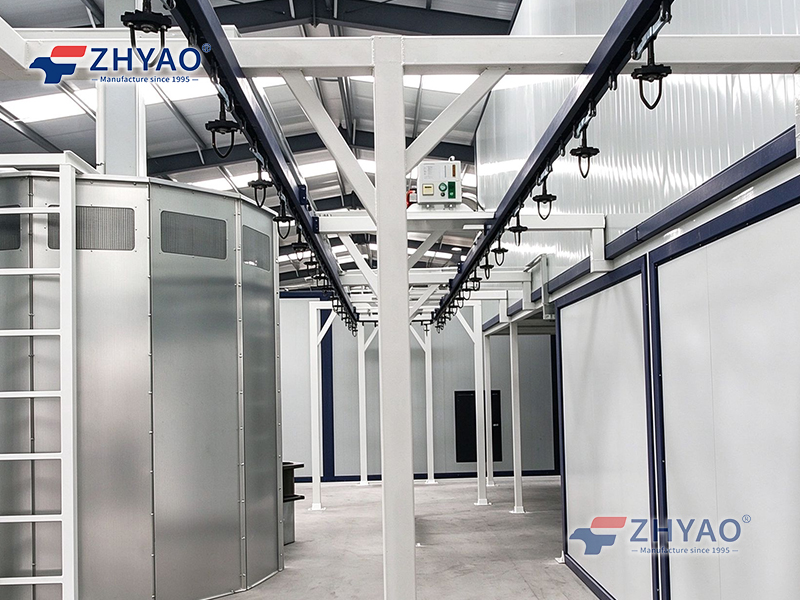
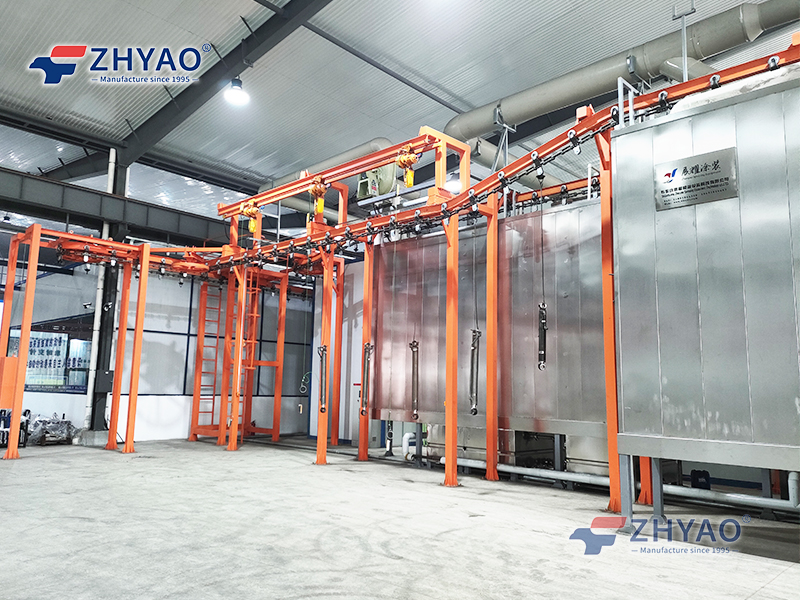
For industrial production, spray painting equipment is usually part of a complete coating process rather than a standalone spray gun. A typical system may include a spray booth, spray guns or automatic applicators, paint supply equipment, exhaust and filtration, workpiece handling, conveyor equipment, and drying or curing equipment.
The equipment configuration is determined by the actual production process. Workpiece dimensions, shape, weight, coating characteristics, production output, color-change frequency, and required automation level all influence the system design.
Application Industries
• Automotive and vehicle components
• Agricultural and construction machinery
• Electrical cabinets and enclosures
• Metal furniture
• Steel structures and fabricated metal parts
• Machinery and industrial components
• Appliance housings
• Hardware products
Product Introduction
Spray painting equipment can be configured according to the way workpieces are handled and how the coating needs to be applied.
Spray Booth
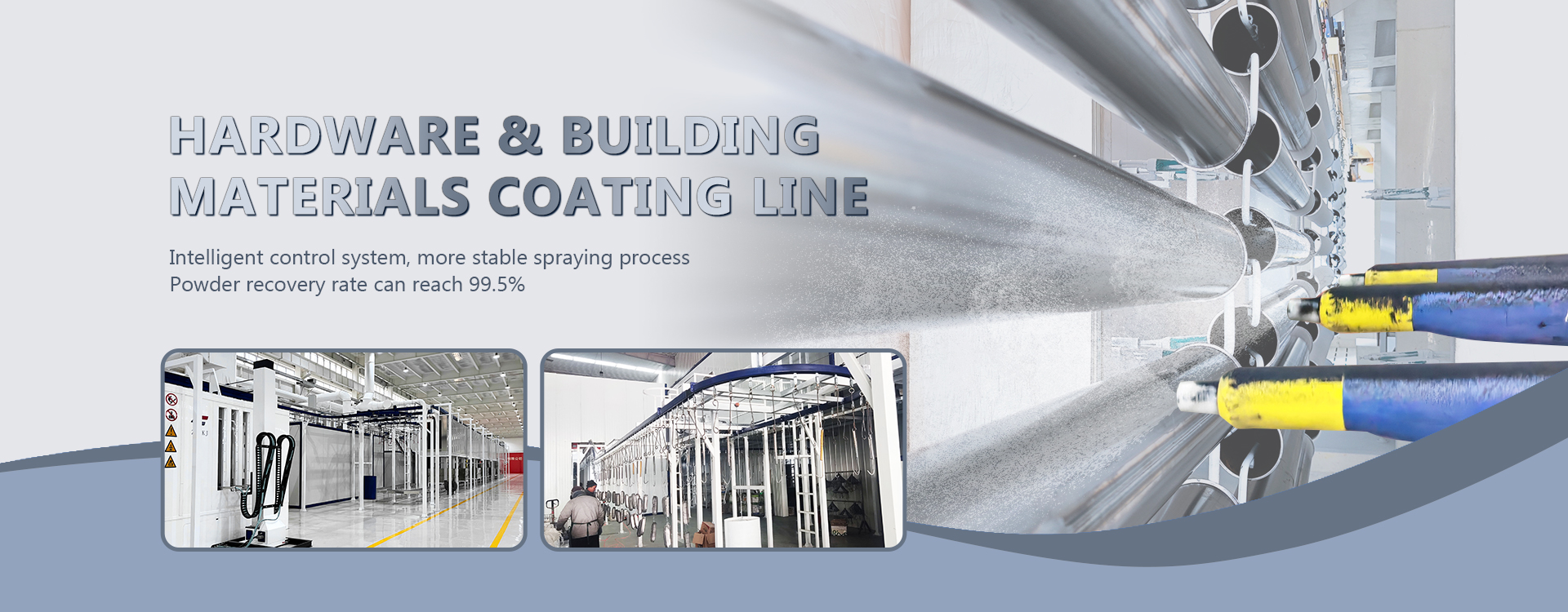
The spray booth provides a controlled area for liquid paint application and overspray management. Its dimensions, exhaust capacity, filtration arrangement, and internal layout are selected according to the workpiece size, coating type, spray method, and production requirements.
Spray Application System
The application system may use manual spray guns, automatic spray guns, reciprocators, or robotic spraying equipment. Manual spraying provides greater flexibility for products with changing shapes or lower production volumes. Automatic spraying is suitable when production consistency and repeatability are more important.
Paint Supply System
The paint supply system may include paint tanks, pumps, filters, pressure regulators, hoses, and mixing equipment. The configuration depends on the coating material, viscosity, required paint volume, and spraying method.
When several colors are used, the paint supply and cleaning arrangement should also be considered. Frequent color changes can affect production time and should therefore be considered during system design.
Conveyor and Workpiece Handling
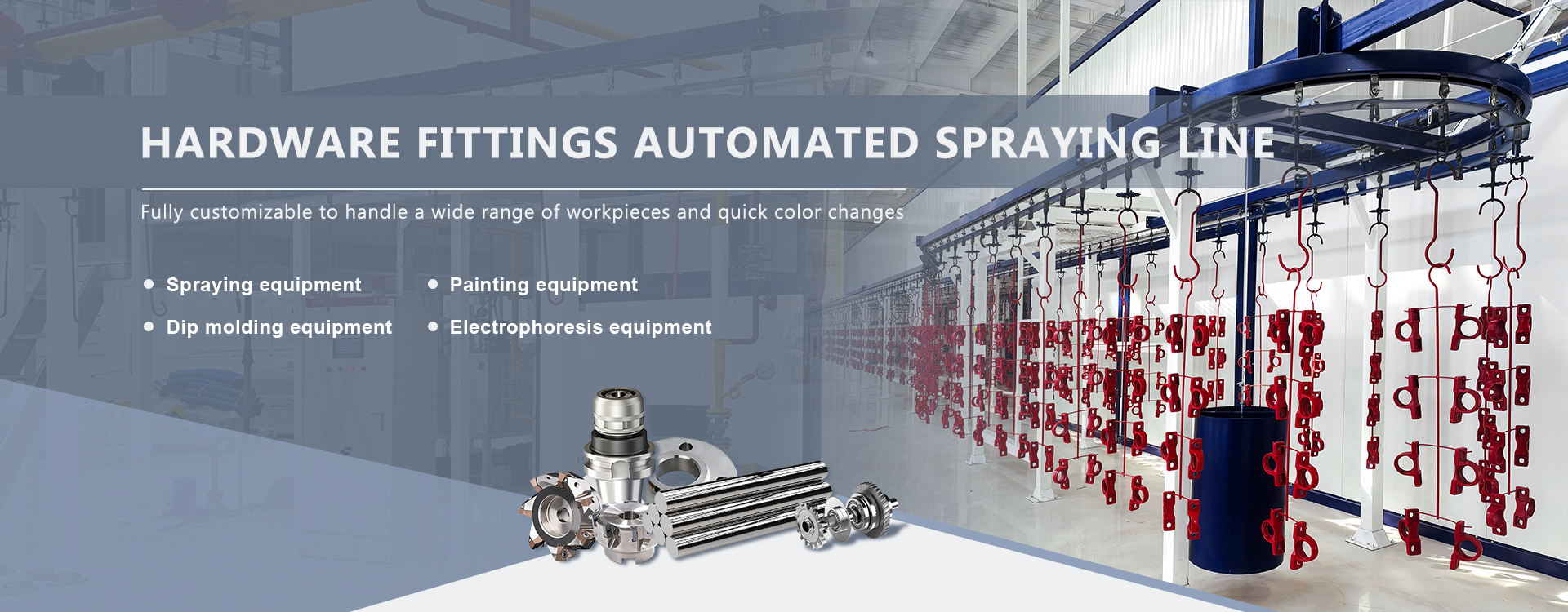
For continuous production, workpieces can be transferred through the spraying process by an overhead conveyor or another customized handling system. Conveyor speed, hanger spacing, fixture design, and loading capacity are selected according to the dimensions and weight of the workpieces.
Drying and Curing
Depending on the coating system, painted workpieces may require flash-off, drying, or curing after spraying. A drying or curing oven can be integrated into the line when required. Temperature and residence time should be determined according to the coating manufacturer's process requirements.
Automation and Control
The automation level can range from operator-controlled spraying to fully automatic or robotic systems. PLC control, sensors, conveyor control, spray-gun timing, and workpiece detection can be integrated according to the production process.
The suitable automation level depends on production volume, product consistency, labor requirements, and workpiece geometry.
Technical Parameters

How to Order Spray Painting Equipment
A spray painting system should be designed around the products that will actually be processed. To prepare a suitable equipment configuration, please provide the following information:
• Workpiece name and material
• Maximum and minimum workpiece dimensions
• Maximum workpiece weight
• Required production output per day or month
• Type of liquid coating
• Required coating finish or thickness
• Number of colors and expected color-change frequency
• Available factory dimensions
• Available power, compressed air, gas, or other utilities
• Preferred automation level
• Whether pretreatment, drying, curing, or cooling equipment is required
These details help determine the suitable spray booth, application equipment, paint supply system, conveyor, drying equipment, and control system.
For an existing production line, information about the current equipment and the problems that need to be addressed can also help determine whether individual equipment upgrades or a complete system modification is more suitable.
Case Display
Spray painting equipment can be configured for different industrial products, including metal components, machinery parts, electrical enclosures, furniture, and fabricated steel products.
Project configurations vary according to workpiece dimensions, coating requirements, production capacity, and factory layout.

Why Choose ZHYAO
Liquid spray painting systems are not normally configured from one fixed equipment package. The appropriate setup depends on the workpiece, coating material, production requirements, and available installation space.
ZHYAO can develop the equipment configuration around these conditions, from individual spray equipment to complete liquid painting lines. The system can include spraying, workpiece handling, drying, curing, and control sections according to the required process.
The equipment can be customized for different production scales and workpiece characteristics, with technical support covering equipment design, manufacturing, installation, and commissioning.
Request a Spray Painting Solution
If you are planning a new spray painting system or upgrading an existing process, send us your workpiece dimensions, material, coating type, production output, and factory space.
We can review the process requirements and develop a spray painting equipment configuration suited to your application.