
5 Ways Modern Coating Lines Help Reduce Powder/Paint Waste
1. Precisely Controlled Spraying Systems
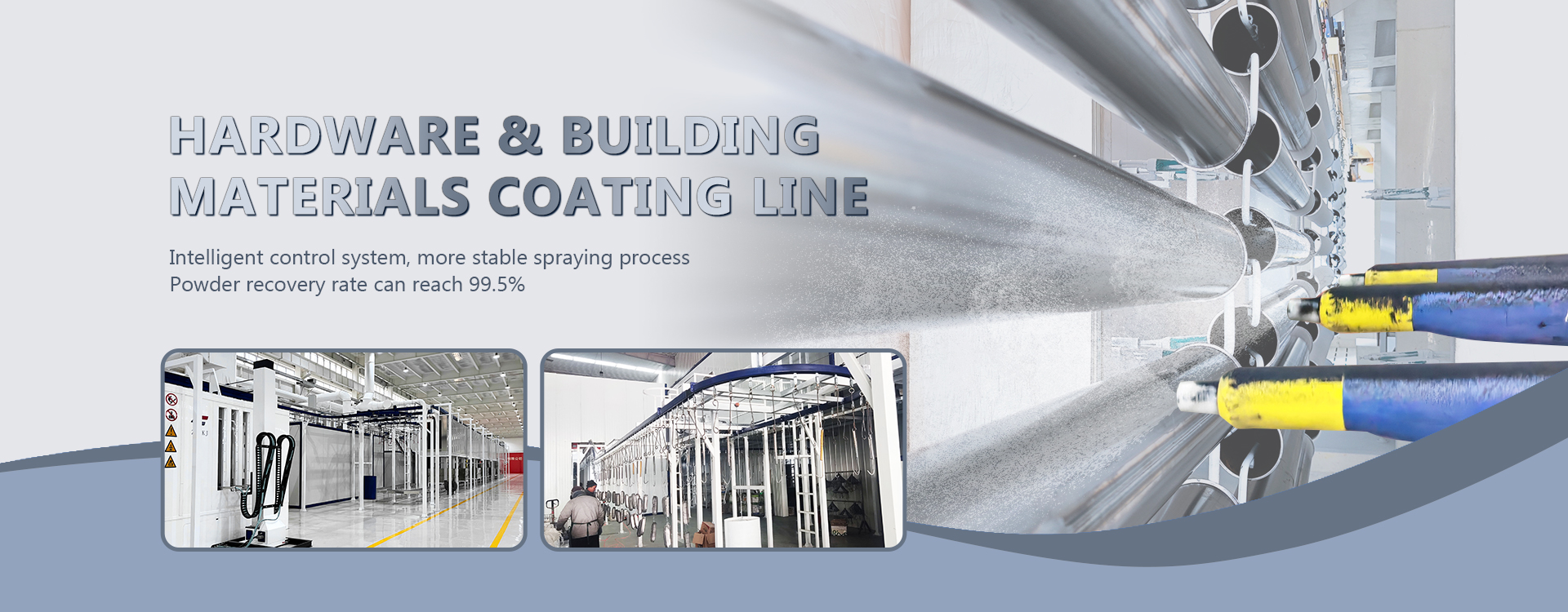
Modern coating lines utilize intelligent spraying equipment, including automated spray guns, robots, and reciprocators, enabling precise control of coating application. Through accurate trajectory planning and paint output control, the coating is applied only where needed, avoiding overspray. This precise control can reduce material consumption by 15-25% compared to manual spraying.
2. Efficient Electrostatic Adhesion Technology
Electrostatic adhesion technology plays a vital role in both powder and liquid coating. By charging the coating particles and grounding the workpiece to create an electric field, the particles actively adhere to the workpiece surface. This technology significantly improves transfer efficiency, especially for hard-to-reach areas like edges and corners, effectively reducing waste caused by poor adhesion.
3. Intelligent Recovery and Recycling Systems
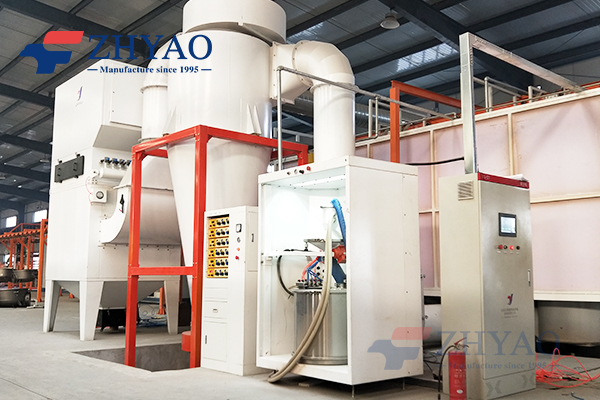
Powder coating lines are equipped with advanced powder recovery systems that collect and filter oversprayed powder in real-time. This recovered powder is then blended with new powder in specific ratios for reuse, achieving recovery rates exceeding 95%. Modern recovery systems use high-efficiency filters and sophisticated control logic to ensure the consistent quality of recycled powder, enabling true resource circularity.
4. Data-Driven Process Optimization
Modern production lines are equipped with comprehensive sensor and data acquisition systems that monitor key process parameters like viscosity, temperature, and film thickness in real-time. Data analysis enables timely adjustment of equipment parameters, ensuring the process consistently operates within optimal specifications. This data-driven, refined management approach effectively identifies waste points and enables continuous improvement in material usage efficiency.
5. Systematic Color Management Solutions
Material loss during color changes represents a significant source of waste. Modern coating lines utilize optimized color-change procedures, dedicated color-change booths, and rapid cleaning technologies to drastically reduce material loss during transitions. Some advanced systems can even intelligently schedule production sequences for specific colors, reducing the number of color changes required at the planning level and further enhancing material utilization.
 How to Calculate the Production Capacity of a Powder Coating Line
 Powder Coating Line Process Explained: From Pretreatment to Final Curing
 Powder Coating vs Wet Painting Differences Explained
 Why Powder Coating Creates a Durable Surface Layer