
Powder Coating Line Process Explained: From Pretreatment to Final Curing
Overview of the Powder Coating Line Process
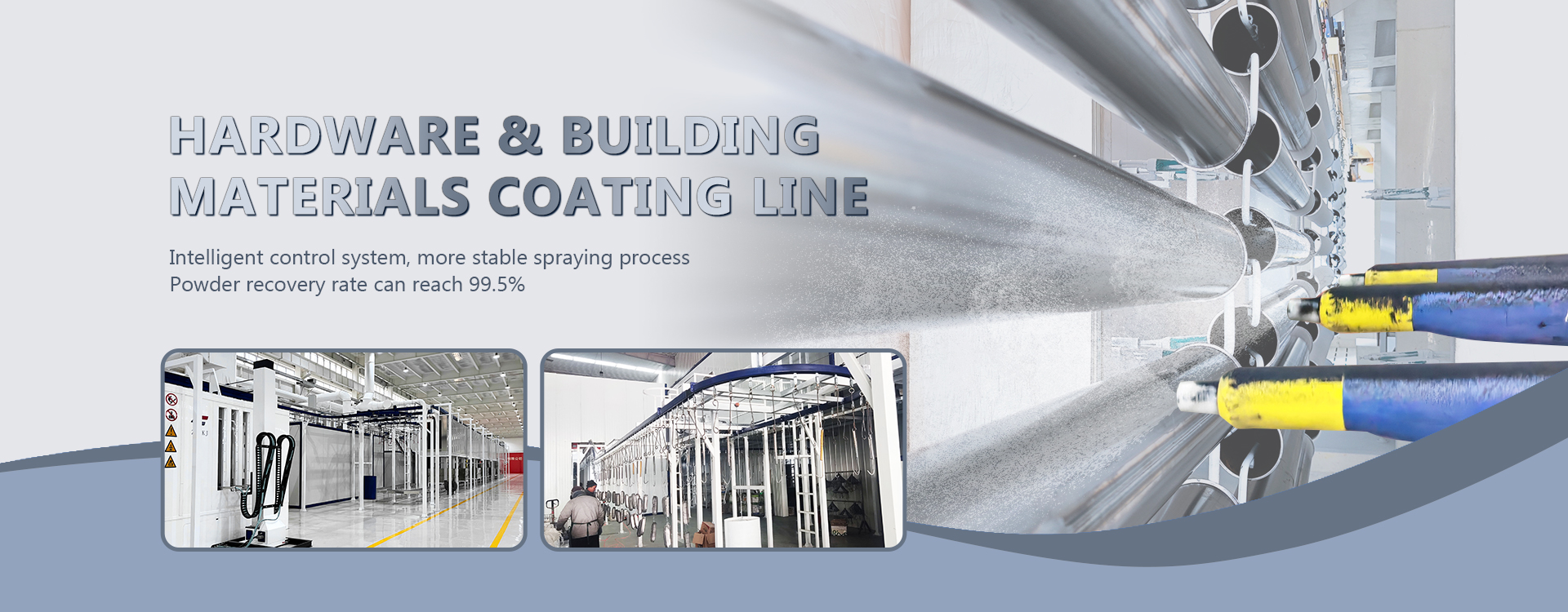
A powder coating line is a complete industrial finishing system that applies a dry powder coating onto metal products through several controlled processes.
Unlike liquid painting, powder coating uses electrostatic technology to apply powder particles onto the surface of grounded metal workpieces. After spraying, the coated products enter a curing oven where heat melts and cross-links the powder into a durable coating film.
A complete powder coating line process normally includes:
Surface pretreatment
Drying
Electrostatic powder spraying
Powder recovery
Curing
Cooling and inspection
Each stage affects the final coating quality. A stable process design helps manufacturers achieve consistent appearance, adhesion, and production efficiency.
Step 1: Surface Pretreatment Before Powder Coating
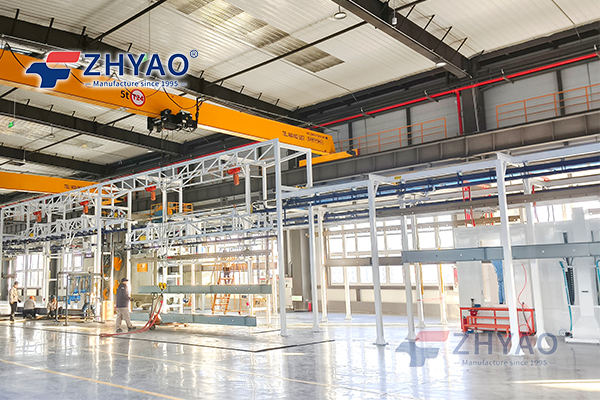
Surface preparation is the foundation of the powder coating process.
Before applying powder, metal surfaces usually contain contaminants such as:
Oil
Dust
Oxide layers
Manufacturing residues
If these contaminants are not removed properly, they may cause coating problems such as poor adhesion, peeling, or uneven appearance.
A typical pretreatment process may include several stages.
Cleaning and Degreasing
The first step is removing oil and surface contaminants from the workpiece.
Common methods include:
Alkaline cleaning
Spray washing
Immersion cleaning
The selected cleaning method depends on product material, surface condition, and production requirements.
Rinsing and Surface Treatment
After cleaning, workpieces are rinsed to remove chemical residues.
Some applications require additional surface treatment, such as:
Phosphating
Zirconium conversion coating
These treatments help improve the bonding between the metal surface and powder coating layer.
Final Rinsing and Preparation
The final rinsing stage removes remaining treatment chemicals before drying.
A properly designed pretreatment system helps create a clean and stable surface for powder application.
Step 2: Drying the Workpieces
After pretreatment, metal parts need to be dried before entering the powder spray booth.
The drying process removes:
Surface moisture
Remaining water from complex structures
Insufficient drying may affect powder adhesion and create coating defects during curing.
The drying oven design should consider:
Workpiece size
Production speed
Air circulation
Heating method
Step 3: Electrostatic Powder Spraying Process
The powder spraying stage is the core part of the powder coating line process.
During spraying, powder particles receive an electrical charge through spray guns. Since the metal workpiece is grounded, the charged powder is attracted to its surface.
This electrostatic effect helps powder particles attach evenly to the workpiece.
Automatic Powder Spraying Equipment
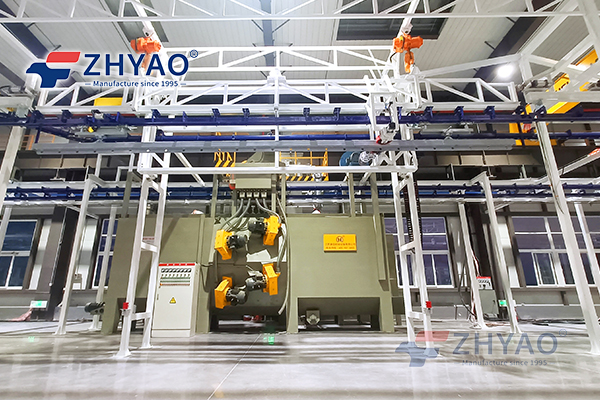
For industrial production, automatic powder spraying systems are commonly used.
They may include:
Automatic spray guns
Reciprocators
Powder supply systems
Spray booth control systems
Automatic equipment helps maintain stable spraying parameters and is suitable for continuous production.
Manual Touch-Up Spraying
Some products have complex structures where certain areas are difficult for automatic guns to reach.
In these cases, manual spray stations can be added for touch-up coating.
Many industrial powder coating lines combine automatic spraying with manual operation to balance efficiency and coating coverage.
Step 4: Powder Recovery During Spraying
During powder application, some powder particles do not attach to the product surface.
The powder recovery system collects these unused particles.
Common recovery methods include:
Cyclone Recovery System
A cyclone separator uses centrifugal force to separate powder particles from airflow.
Advantages include:
Suitable for continuous production
Helps improve powder utilization
Reduces powder waste
Filter Recovery System
Filter systems collect powder through filtration technology.
They are often used in applications requiring flexible operation and efficient color change.
The recovery system design depends on production requirements, powder type, and cleaning frequency.
Step 5: Powder Curing Process
After spraying, the coated products enter the curing oven.
The curing process allows powder particles to:
Melt
Flow into a continuous coating film
Complete chemical cross-linking
The curing conditions depend on:
Powder material
Workpiece thickness
Oven temperature
Heating time
Importance of Temperature Control
A stable curing environment is essential for coating performance.
If the temperature is too low, the powder may not fully cure.
If the temperature is too high or the curing time is excessive, coating appearance and performance may be affected.
Therefore, industrial curing ovens require proper airflow design and temperature control.
Step 6: Cooling and Quality Inspection
After curing, products need to cool before final handling and inspection.
Quality inspection usually includes checking:
Coating appearance
Color consistency
Surface defects
Coating thickness
Adhesion performance
The inspection method depends on customer requirements and product application.
How the Powder Coating Line Process Affects Final Quality
Each process stage contributes to the final coating result.
Pretreatment Quality
A clean and properly treated surface improves coating adhesion.
Spray Parameters
Stable powder output, grounding, and spraying distance influence coating thickness.
Recovery System Performance
Efficient recovery helps maintain stable spraying conditions.
Curing Conditions
Correct temperature and time determine final coating performance.
A complete powder coating line requires coordination between all systems rather than focusing on only one piece of equipment.
Applications of Industrial Powder Coating Line Processes
Powder coating line processes are widely used for many metal products, including:
Automotive parts
Aluminum profiles
Metal furniture
Electrical cabinets
Hardware components
Security products
Construction materials
Machinery parts
Different applications may require different process designs based on appearance requirements, corrosion protection, and production volume.
Choosing the Right Powder Coating Line Design
The suitable powder coating process depends on several factors:
Product Requirements
Including:
Size
Shape
Material
Surface quality requirements
Production Requirements
Including:
Output capacity
Working schedule
Automation level
Factory Conditions
Including:
Available installation space
Production flow
Energy supply conditions
A professional powder coating line design should balance coating quality, production efficiency, and operating requirements.
Frequently Asked Questions About Powder Coating Line Process
What are the main steps in a powder coating line process?
The main steps include surface pretreatment, drying, electrostatic powder spraying, powder recovery, curing, cooling, and quality inspection. Each step plays an important role in achieving stable coating results.
Why is pretreatment important before powder coating?
Pretreatment removes contaminants and improves the bonding between the metal surface and powder coating. A suitable pretreatment process helps improve coating adhesion and long-term performance.
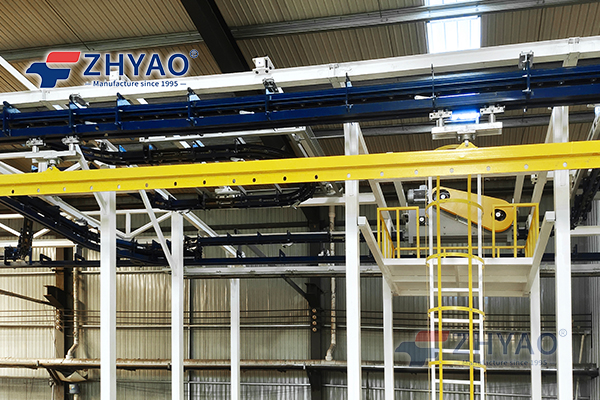 Automatic vs Manual Powder Coating Line
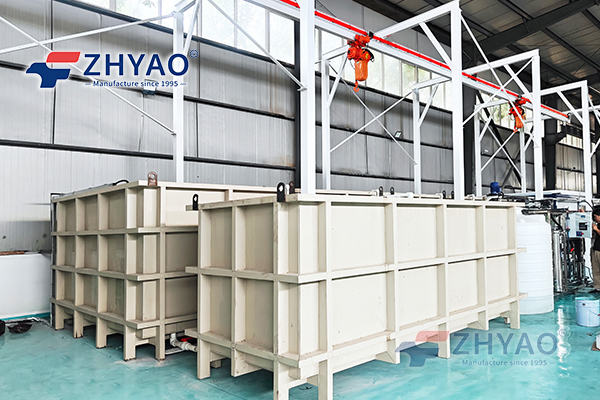 How Does Pretreatment Quality Affect Powder Coating Adhesion?
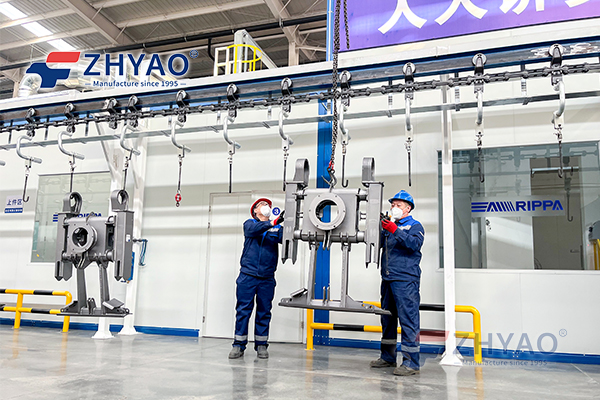 How Does Conveyor Pitch Affect Powder Coating Production?
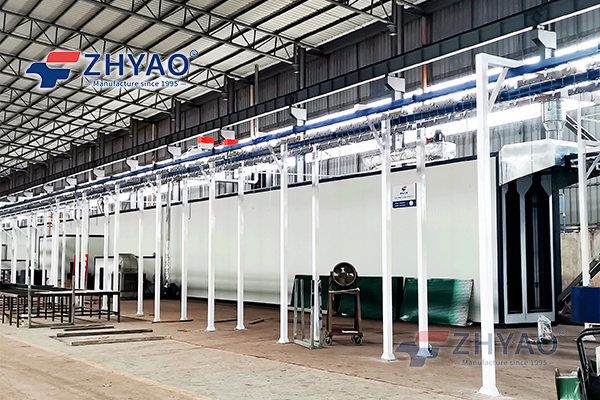 Powder Coating Line with Tunnel Oven