
Will Powder Coating Lines Increase Production Costs?
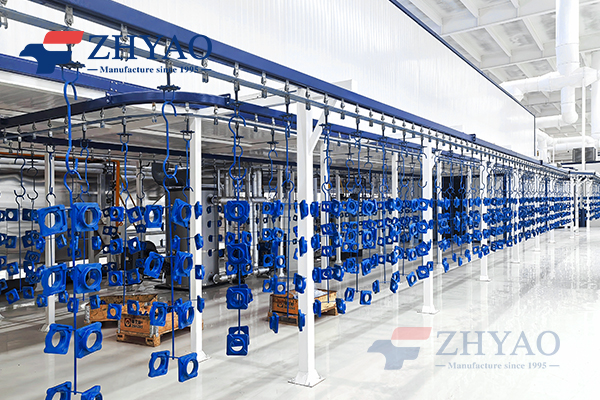
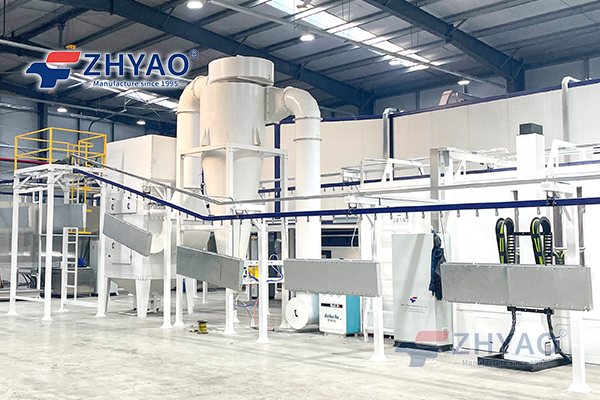
Powder coating lines do require significant equipment investment, including spray booths, recovery systems, and curing ovens, which is often misunderstood as increasing production costs. However, professional cost analysis should examine the total cost throughout the product lifecycle. Although powder coating requires more capital during the equipment investment phase, it achieves cost savings through multiple channels in subsequent operations.
1. Material Utilization Delivers Significant Savings
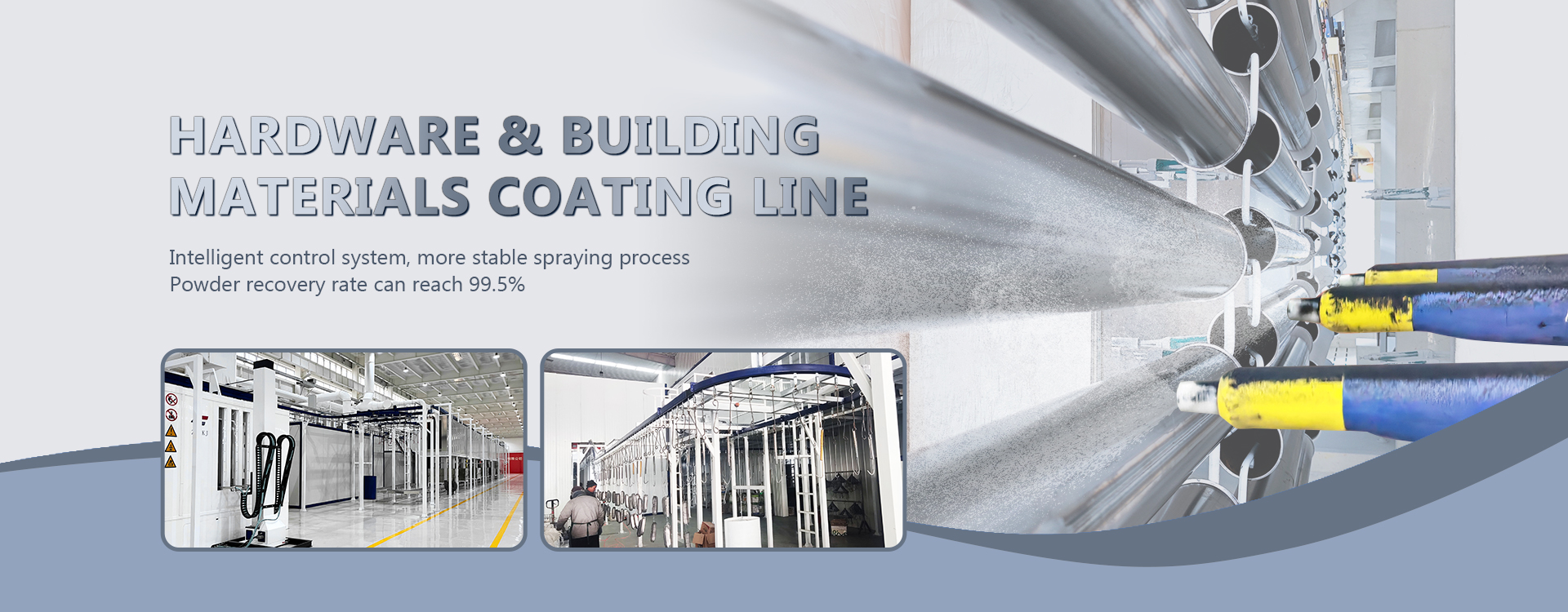
Powder coating typically achieves material utilization rates of over 95%, far exceeding the 40-60% of conventional liquid coating. Oversprayed powder can be collected and reused through recovery systems, resulting in almost no waste. This high efficiency directly reduces the coating cost per unit product, generating substantial material savings for large-scale production.
2. Notable Differences in Environmental Compliance Costs
Against the backdrop of increasingly stringent environmental requirements, powder coating demonstrates clear advantages in environmental management costs. It generates almost no volatile organic compounds, eliminating the need for expensive exhaust treatment equipment. In contrast, solvent-based coating requires exhaust treatment systems that can cost hundreds of thousands, along with ongoing operational expenses.
3. Comparison of Energy Consumption and Operational Costs
Regarding energy consumption, powder coating's curing temperature is comparable to liquid coatings, but its higher material utilization results in lower actual energy consumption per unit product. Additionally, powder coating eliminates the leveling process required for solvent-based paints, potentially enabling faster production cycles—all factors contributing to reduced overall operational costs.
4. Quality Cost Advantages Should Not Be Overlooked
Powder coatings typically offer better mechanical properties and chemical resistance, extending product service life and reducing after-sales repair rates. Meanwhile, automated powder lines ensure stable product quality with significantly lower defect rates compared to manual spraying, directly minimizing rework and quality losses, thereby further enhancing economic benefits from a quality cost perspective.
 How to Calculate the Production Capacity of a Powder Coating Line
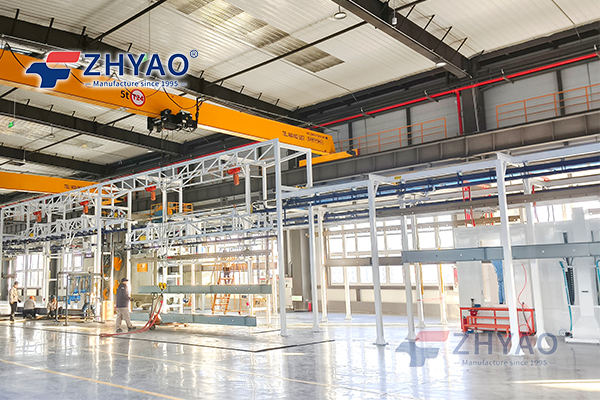 Powder Coating Line Process Explained: From Pretreatment to Final Curing
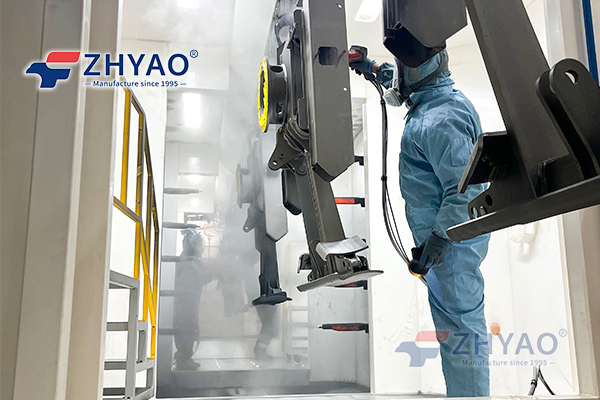 Powder Coating vs Wet Painting Differences Explained
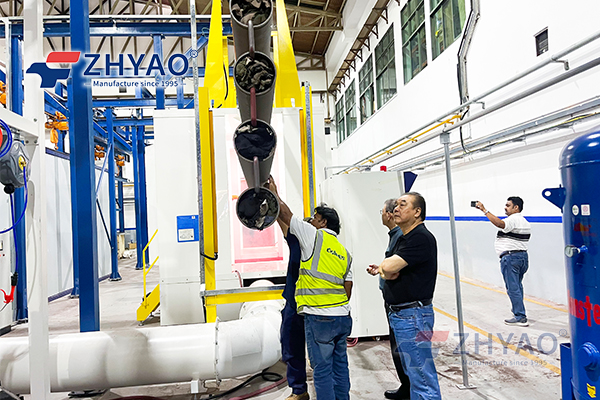 Why Powder Coating Creates a Durable Surface Layer