
How Automated Coating Lines Reduce Labor Costs by 30-50%?
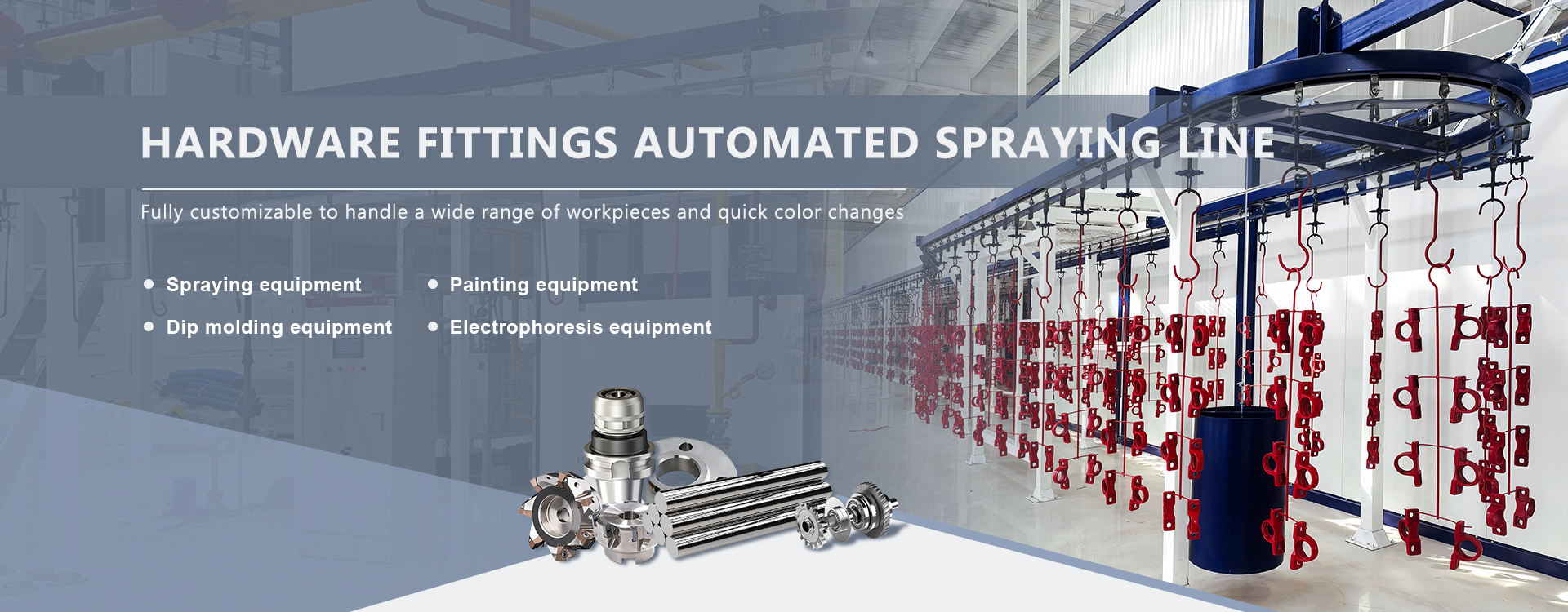
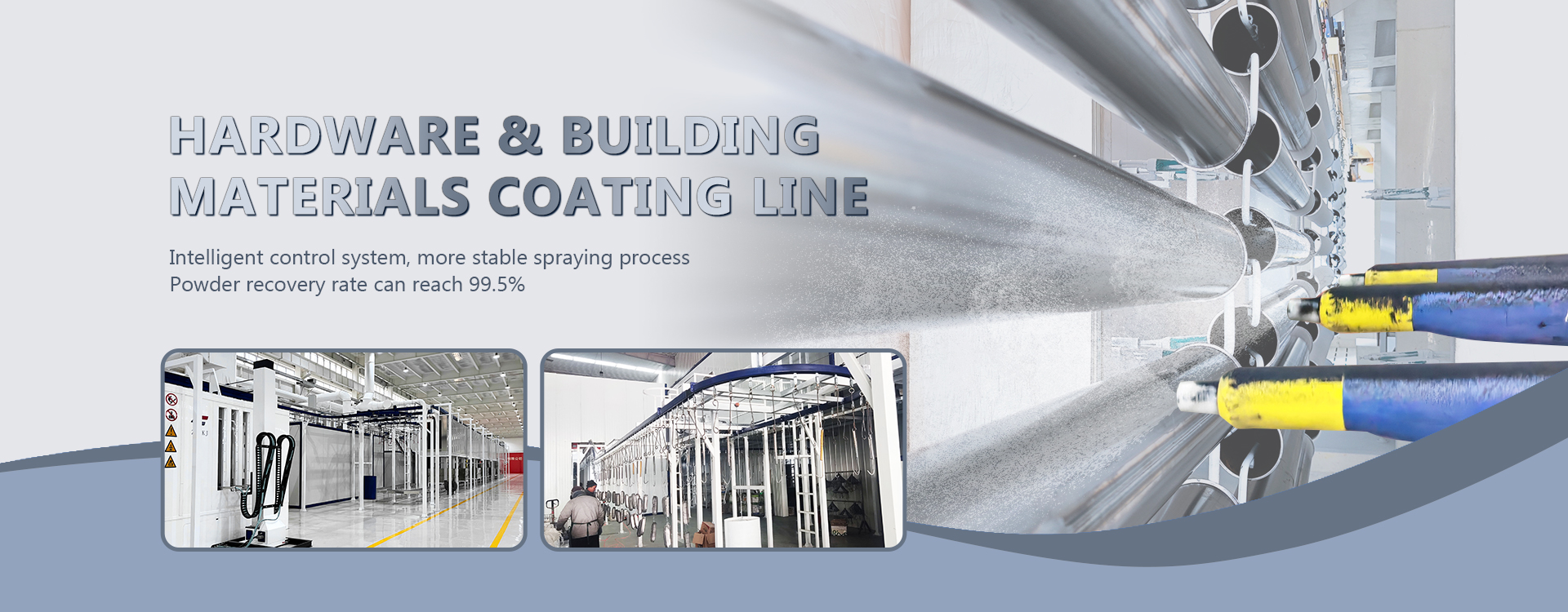
Automated coating production lines replace traditional manual operations with intelligent equipment, directly reducing the number of operators required on the production line. Taking a typical coating workshop as an example, a traditional manual line requires 6-8 spray painters, while an automated line of the same capacity needs only 1-2 equipment monitoring personnel. This direct workforce reduction can immediately lower labor costs by over 30%.
1. Improved Production Efficiency Indirectly Saves Labor
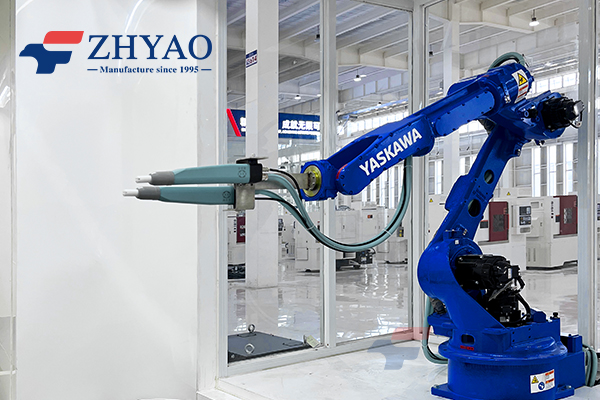
Automated systems enable continuous, uninterrupted production, with significantly higher effective operating time compared to manual operations. Robots can work continuously 24 hours a day without breaks, increasing production efficiency by 30-40%. This means that the same production tasks can be completed in less time, or more tasks can be accomplished within the same period, thereby reducing the labor cost allocated per unit product.
2. Shift in Skill Requirements Optimizes Workforce Structure
Traditional coating processes demand high skills from workers, requiring long training cycles and correspondingly higher salary levels. Automation transforms operators' roles into equipment monitoring, data recording, and basic maintenance, changing the skill requirements. This shift not only reduces salary costs for specific positions but also alleviates the difficulty in recruiting skilled technicians.
3. Labor Optimization in Quality Management
The consistent quality provided by automated coating systems reduces the workload in quality inspection roles. Traditional production requires substantial manual effort for process monitoring and finished product inspection, whereas automated systems maintain fixed process parameters and consistent product quality. This reduces the need for quality inspectors and significantly decreases the human resources dedicated to handling quality issues.
4. Simultaneous Reduction in Comprehensive Management Costs
As the number of direct production personnel decreases, related management costs are also reduced. This includes reduced demand for indirect labor such as team leaders and production supervisors, while management investments in areas like attendance tracking, performance evaluation, and training organization are also optimized, further enhancing the overall efficiency of labor cost utilization.
 How to Calculate the Production Capacity of a Powder Coating Line
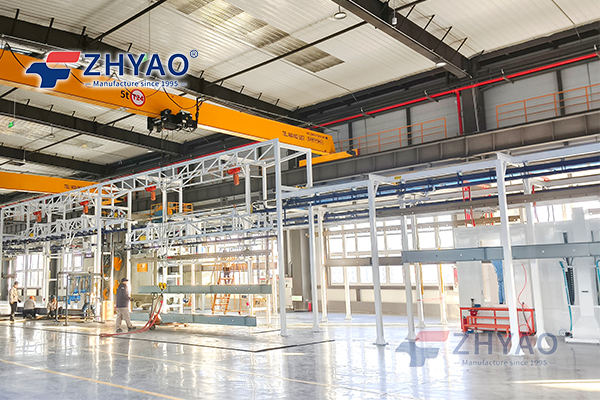 Powder Coating Line Process Explained: From Pretreatment to Final Curing
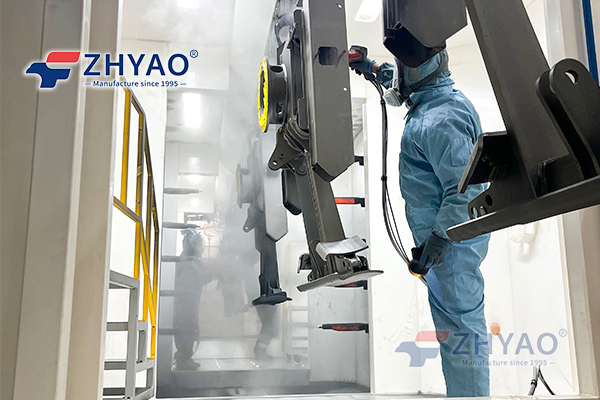 Powder Coating vs Wet Painting Differences Explained
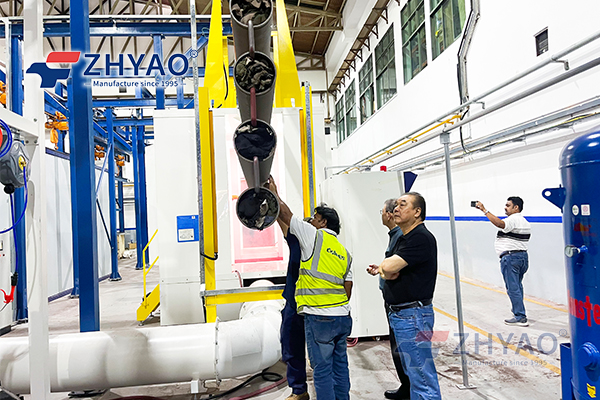 Why Powder Coating Creates a Durable Surface Layer