
How Automatic Painting Line Works Step by Step
Automatic painting lines are widely used in industrial manufacturing for metal surface finishing. By integrating pretreatment, conveying, spraying, curing, and recovery systems into one continuous process, automatic painting lines help improve coating consistency, production efficiency, and material utilization.
Understanding how an automatic painting line works step by step is important for manufacturers planning coating production upgrades, improving coating quality, or optimizing factory automation.
1. Loading and Conveyor Transportation
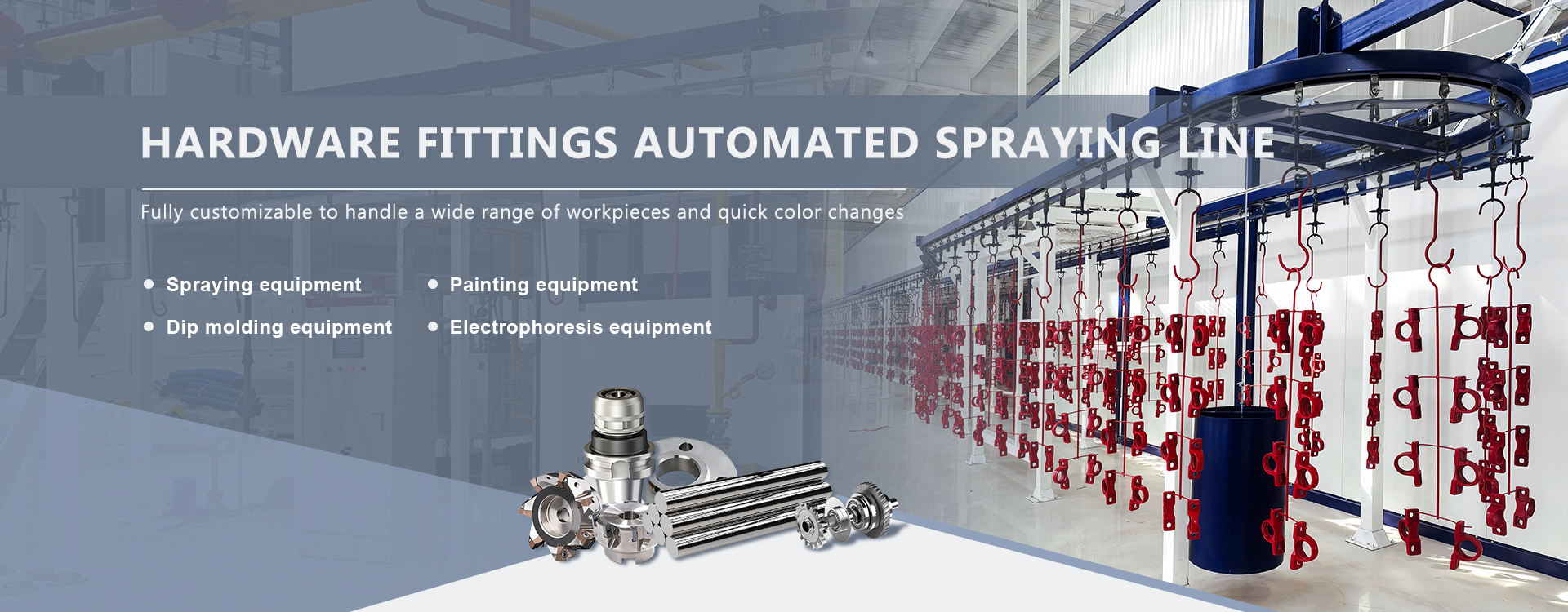
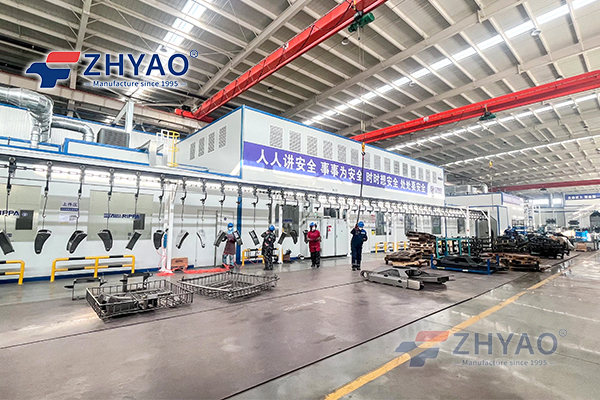
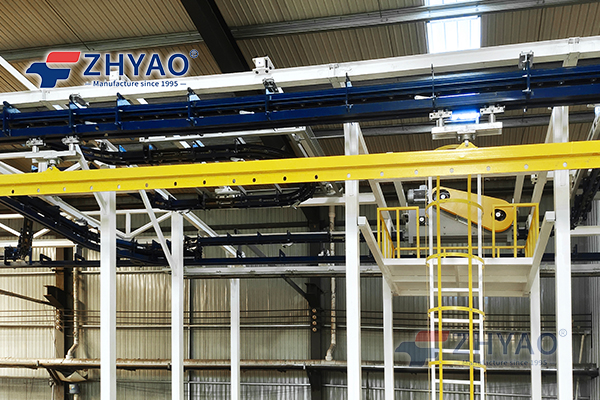
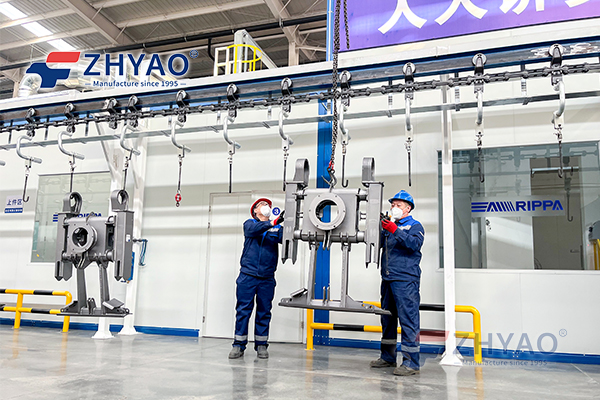
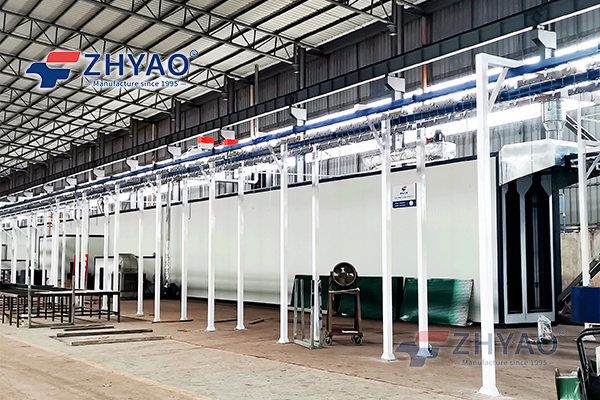
The process begins with loading workpieces onto the conveyor system. Depending on product size and production capacity, the line may use overhead conveyors, chain conveyors, or customized transport systems.
The conveyor continuously moves products through each process stage at a controlled speed, helping maintain stable production rhythm and coating consistency.
Proper conveyor design is important because transportation speed directly affects pretreatment time, spraying quality, and curing performance.
2. Pretreatment Process
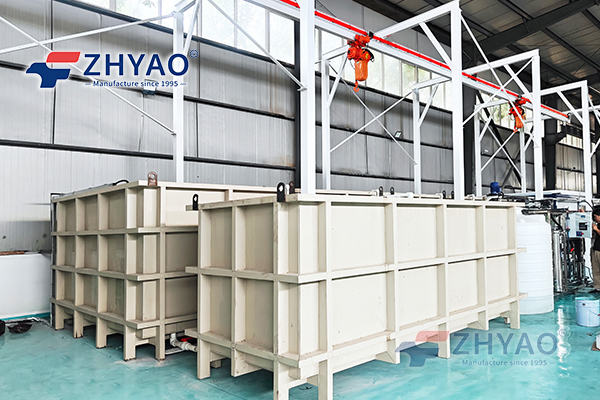
Before spraying, metal surfaces must be cleaned to remove oil, dust, rust, and contaminants. This stage is known as pretreatment.
Typical pretreatment steps include:
Degreasing
Water rinsing
Surface conditioning
Phosphating or conversion coating
Drying
The pretreatment process improves coating adhesion and corrosion resistance. If surface preparation is insufficient, coating defects such as peeling, blistering, or poor adhesion may occur later.
In industrial automatic painting lines, pretreatment can be designed as spray type or dip tank type depending on workpiece structure and production requirements.
3. Powder or Paint Spraying Stage
After pretreatment, the workpieces enter the spray booth.
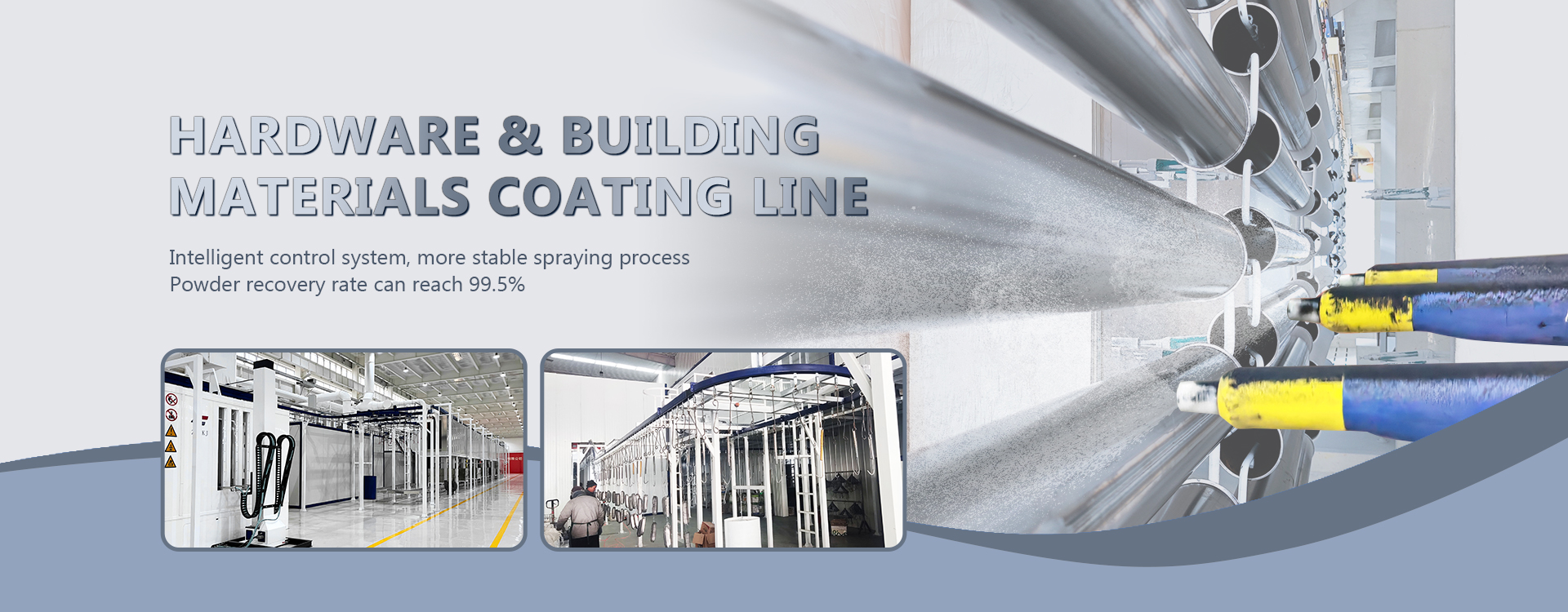
For powder coating systems, electrostatic spray guns charge powder particles and attract them to the grounded metal surface. This creates a uniform coating layer with relatively high transfer efficiency.
For liquid painting systems, atomized paint is sprayed evenly onto the product surface through air-assisted or airless spraying equipment.
Modern automatic painting lines often use:
Automatic reciprocators
Robotic spray systems
PLC control systems
Intelligent spray parameter adjustment
These technologies help improve coating stability and reduce manual operation differences.
4. Powder Recovery or Exhaust Treatment
During spraying, some coating material does not attach to the product surface. In powder coating systems, this unused powder can be collected through recovery equipment and reused after filtering.
Common recovery systems include:
Cyclone recovery systems
Cartridge filter systems
Multi-stage powder recovery units
In liquid painting lines, exhaust air treatment systems are used to control overspray and improve workshop environmental conditions.
Efficient recovery and airflow management help reduce material waste and maintain stable booth pressure.
5. Curing and Drying Process
After spraying, the coated workpieces move into the curing oven or drying oven.
For powder coating lines, the powder melts and chemically cross-links under controlled temperature, forming a durable coating film.
For liquid painting systems, the drying process evaporates solvents and solidifies the paint layer.
Key curing parameters include:
Oven temperature
Heating uniformity
Conveyor speed
Curing time
Improper curing conditions may lead to defects such as poor hardness, color inconsistency, or surface texture problems.
6. Cooling and Unloading
After curing, products pass through a cooling zone before unloading.
Cooling helps stabilize the coating layer and reduces the risk of surface damage during handling. Once the workpieces reach suitable temperature, operators remove them from the conveyor for packaging, assembly, or shipment.
Some automatic painting lines also integrate online inspection systems to check coating thickness, appearance quality, or curing condition before unloading.
7. Control System and Automation Integration
Modern automatic painting lines rely heavily on automation systems to coordinate the entire production process.
Typical control components include:
PLC control systems
Touchscreen operation panels
Temperature monitoring systems
Conveyor synchronization control
Spray parameter management systems
Automation improves production repeatability and helps reduce operating errors in continuous industrial production.
8. Advantages of Automatic Painting Lines
Compared with manual coating operations, automatic painting lines provide several advantages:
Stable coating quality
Higher production efficiency
Lower labor dependency
Improved material utilization
Better environmental management
Easier process standardization
Because of these benefits, automatic painting lines are widely used in industries such as automotive parts, metal furniture, aluminum profiles, construction hardware, and industrial equipment manufacturing.
9. Conclusion
An automatic painting line works by integrating multiple systems into a continuous industrial coating process. From pretreatment and spraying to curing and unloading, each stage directly influences final coating quality and production efficiency.
Understanding the workflow of an automatic painting line helps manufacturers optimize coating performance, improve automation capability, and maintain stable industrial production.
【Learn More】
 Automatic vs Manual Powder Coating Line
 How Does Pretreatment Quality Affect Powder Coating Adhesion?
 How Does Conveyor Pitch Affect Powder Coating Production?
 Powder Coating Line with Tunnel Oven